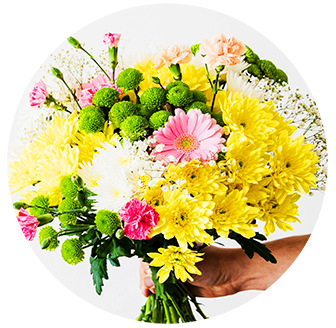
What to know about flower disposal rules Lewisham Council
Posted on 02/10/2026
If you are staring at a vase of tired roses on the kitchen counter or a pile of petals after a big event, you may be wondering what to know about flower disposal rules Lewisham Council and how to get it right without overthinking it. Truth be told, most flower disposal is simple once you know what counts as garden waste, what should stay out of the recycling, and how to avoid the small mistakes that create mess or missed collections.
This guide breaks it down in plain English. You will learn how flower disposal usually works in a Lewisham home, when flowers can go in the general waste or green waste, how to handle bouquets, compostables, and floral packaging, and what to do if you are dealing with a large amount after a wedding, memorial, or event. We will keep it practical, local, and realistic. No fluff.
Why What to know about flower disposal rules Lewisham Council Matters
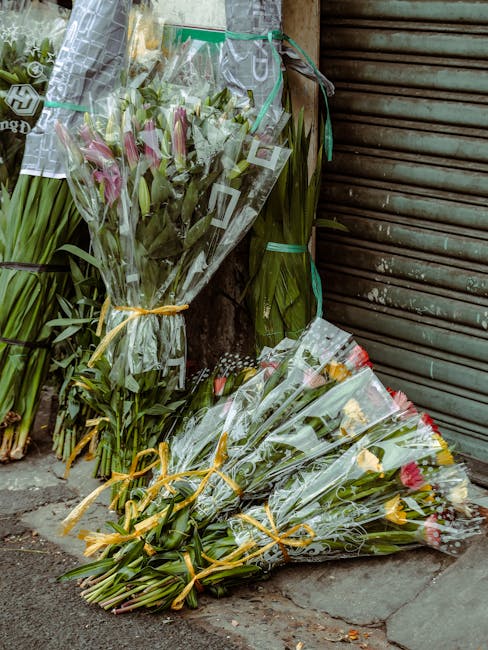
Flower disposal seems trivial until it is not. A bouquet left in the wrong bin can make a waste bag smell, attract pests, or cause problems for recycling. In a borough like Lewisham, where many households use different waste streams for general rubbish, food, garden waste, and recycling, the difference between "flowers are fine here" and "flowers are not accepted there" matters more than people think.
There is also a practical side. If you are clearing flowers after a birthday, anniversary, funeral, or wedding, the waste can include stems, ribbon, plastic wrapping, foam, wire, tissue paper, and sometimes even water-filled vases. That mix is where confusion starts. The flowers themselves might be compostable in principle, but the packaging or floral mechanics may need separate treatment. Easy to say, slightly fiddly to do on a busy Saturday afternoon.
For households, the main aim is simple: dispose of flowers cleanly, legally, and with as little hassle as possible. For event organisers and local businesses, it is also about keeping waste under control and showing sensible environmental practice. In our experience, the people who get this right are not doing anything fancy. They just sort the waste in stages and avoid dumping mixed materials together.
Quick takeaway: fresh flowers are usually straightforward to dispose of, but the stems, wrapping, wires, and vase water often matter just as much as the blooms themselves.
How What to know about flower disposal rules Lewisham Council Works
The basic idea is straightforward: flowers should go into the waste stream that best matches the material. In many homes, that means separating organic plant material from non-organic packaging first, then deciding whether the flowers can go in a compost, garden waste, or general rubbish container. The key is not to guess. Take a moment, look at the full bouquet, and split it into parts.
Fresh cut flowers, leaves, and small stems are organic and will often be suitable for composting if you have a home compost system or access to appropriate garden waste collection. However, not every arrangement is a clean organic item. Florist foam, plastic sleeves, cellophane, rubber bands, sticky tape, decorative glitter, wire, and ribbon are different materials and usually need separate disposal. That one flower display can become four waste decisions. A bit annoying, yes, but manageable.
Wilted flowers from a vase are usually easiest to prepare for disposal by draining the water, removing any non-organic decoration, and placing the plant material in the correct container. If the stems are long or woody, they may need cutting down to fit in the bin. If there is soil from potted plants, treat that more like garden waste than bouquet waste. Muddy roots behave differently, and they can make bags awkward fast.
One thing people forget: what is "allowed" in practice often depends on the condition of the waste. Clean, dry flower stems are one thing. Soaked petals, rotten foliage, or a bouquet tangled with plastic and tape is another. The drier and cleaner you can make it, the easier the disposal becomes.
Key Benefits and Practical Advantages
Following sensible flower disposal practices is not only about ticking a box. It helps in a few very practical ways that make day-to-day life easier.
- Cleaner bins: Removing water, thorny stems, and sticky wrapping reduces smell, leaks, and mess.
- Less contamination: Keeping plastic and organic waste separate helps recycling and composting systems work properly.
- Better home hygiene: Old flowers can go mouldy quickly, especially in warm kitchens or near radiators.
- Easier bin day: Proper sorting means fewer rejects, less repacking, and less last-minute stress.
- More sustainable habits: If flowers can be composted or diverted from general waste, that is usually the better option.
There is a small but real satisfaction in doing it well. You clear the vase, wipe the shelf, and the kitchen just feels tidier. Not dramatic. Just better. And on a grey Lewisham morning, that little bit of order can feel oddly comforting.
Who This Is For and When It Makes Sense
This guidance is useful for anyone handling flowers in everyday life, but some situations come up more often than others.
Households dealing with everyday bouquets
If you buy flowers for a birthday, anniversary, or just because the week needs a lift, the waste is usually small. A few stems, some leaves, and the wrapper are the main things to separate. This is the most common scenario, and it is usually the easiest to manage.
People clearing funeral or memorial flowers
Funeral flowers can be more complicated because there may be cards, tribute foam, plastic bases, ribbon, and large volumes of stems. If the flowers are part of a tribute arrangement, the non-organic materials deserve extra attention. A gentle, respectful clear-up often starts with sorting the tribute into natural and non-natural parts. If you are choosing floral tributes for a service, browsing options like funeral flowers or sympathy flowers can also help you think ahead about what will be left to dispose of afterwards.
Event hosts and local businesses
If you are arranging flowers for a wedding, office, shopfront, or reception, waste volume matters more. One vase in a kitchen is easy. Twenty centrepieces after an event is another story. In that setting, you want to plan disposal before the event ends, not after everyone has gone home and the petals are starting to wilt into the carpet.
Gardeners and plant lovers
If your "flower waste" includes dead blooms from pots, beds, or window boxes, the rules feel closer to garden waste than bouquet waste. That means stems, leaves, and spent flowers should be kept free from plastics and broken containers where possible.
Step-by-Step Guidance
Here is a simple, low-stress way to deal with flower disposal in a Lewisham home or small event space.
- Remove the flowers from the vase. Tip out the water first. Stale vase water can smell fast, especially in warmer weather or after a weekend away.
- Separate the materials. Put flowers, leaves, and stems in one pile; wrappers, tape, ribbon, wire, and foam in another.
- Check for reusable items. If the vase is intact, wash and keep it. If the ribbon or card is still usable, save it before throwing anything away.
- Trim bulky stems if needed. This helps the waste fit better and makes bags easier to close.
- Choose the right disposal route. Compostable plant matter may suit compost or garden waste. Mixed waste or treated floral materials may need general rubbish.
- Keep the bin clean. Wrap wet material if needed, or let stems drain before bagging them. That small step saves bother later.
If you are clearing a larger arrangement, work methodically. Do the flowers first, then the packaging, then the vase and surfaces. It sounds almost too simple, but that sequence avoids mess spreading from one area to another.
A simple rule of thumb
If it came from the plant, it is usually easier to compost or treat as green waste. If it was added to make the bouquet look good or hold it together, it is usually not plant waste. That includes foam blocks, cellophane, tape, plastic picks, and artificial decoration.
Expert Tips for Better Results
Over time, a few habits make flower disposal much easier. None are complicated. They just save the kind of frustration you do not need at the end of a long day.
- Drain before you bin. Water is the enemy of tidy waste. Let stems drip in the sink for a minute before bagging them.
- Cut down large arrangements early. A big bouquet becomes easier to manage once it is broken into smaller handfuls.
- Keep organic and non-organic waste separate from the start. Do not wait until the bin is full. By then, everything has stuck together.
- Use paper where possible. If you are wrapping flowers for transport or storage, paper is often simpler to handle than plastic film.
- Store temporary waste somewhere cool. If you cannot dispose of flowers straight away, a cool spot slows decay and smell.
One small practical trick: if you have a busy household, keep a "sorting spot" near the sink where you can place wrappers, ties, and stems separately before final disposal. It takes two seconds, but it prevents that half-hour rummage later where you are trying to remember which bit was which. We have all done it.
Also, do not overcomplicate the decision. Sometimes people hold onto dead flowers for days because they are unsure where they should go. If the blooms are clearly spent and the arrangement is already falling apart, it is usually better to deal with it promptly and cleanly than to let it sit there becoming one more household job.
Common Mistakes to Avoid
Most flower-disposal problems come from a few repeat mistakes. The good news? They are easy to avoid once you know them.
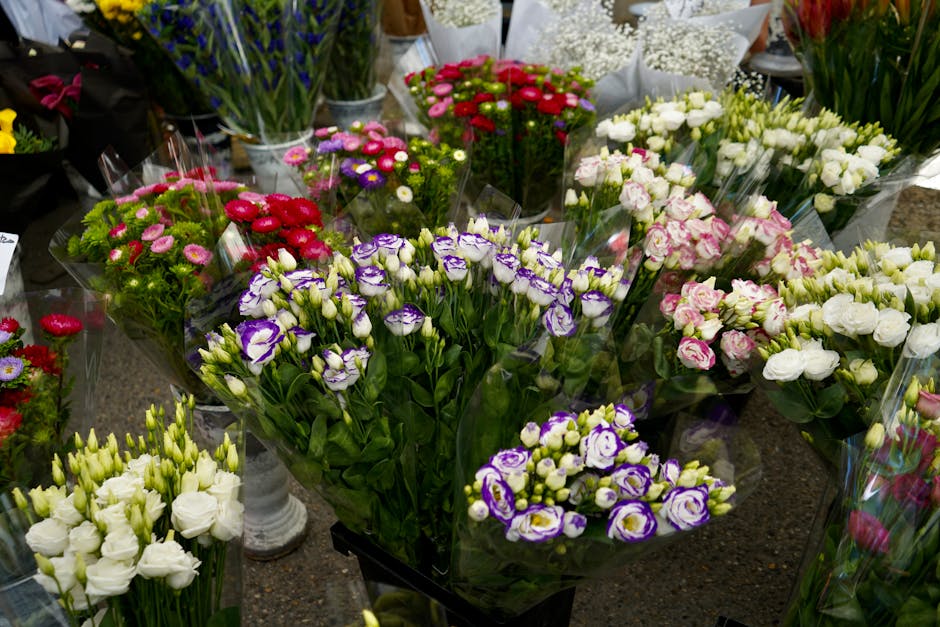
- Putting all bouquet contents in one bag. Mixed waste is the quickest way to create a soggy, awkward mess.
- Forgetting about hidden materials. Floral foam, wire, and plastic picks are easy to miss because they sit inside the arrangement.
- Leaving flowers in water too long. Old vase water can turn cloudy and smelly. Not pleasant, frankly.
- Assuming every flower item is recyclable. Most mixed floral packaging is not clean enough for recycling unless the materials are separated properly.
- Stuffing long stems into a bin without trimming. This often causes the lid not to close, which can lead to collection issues.
- Ignoring event-sized waste. A wedding or memorial can produce a lot more flower waste than people expect, so plan ahead.
If you are not sure whether a particular item is compostable, stop and inspect it. If there is foam, glue, foil, glitter, or a thick plastic coating, treat it cautiously. The plant may be natural, but the arrangement is not necessarily simple.
Tools, Resources and Recommendations
You do not need specialist equipment to dispose of flowers well. A few basic household tools are enough.
| Item | What it helps with | Why it matters |
|---|---|---|
| Kitchen scissors or pruning snips | Cutting stems and bulky greenery | Makes waste smaller and easier to bin |
| Gloves | Handling thorny roses or damp stems | Keeps hands clean and avoids scratches |
| Old newspaper or a paper sack | Holding damp organic waste temporarily | Helps absorb moisture before disposal |
| Sink strainer | Stopping petals and leaves going down the drain | Reduces blockages and cleanup |
| Compost caddy or garden waste container | Separating natural flower material | Makes sorting quicker and neater |
For households that regularly receive flowers, it can also help to understand the difference between bouquet care and disposal. A vase that has stayed fresh longer leaves less waste in poor condition. If you want to keep flowers looking better before they are thrown out, you might find the advice on flower care tips useful. Better care often means cleaner disposal later. Funny how that works.
On the product side, some arrangements are also simpler to break down than others. If you are choosing flowers with disposal in mind, a more natural, less heavily packaged style can make life easier. Browsing options like florist choice arrangements or best sellers can be a practical starting point, especially if you want something straightforward rather than overly built-up.
Law, Compliance, Standards, or Best Practice
For most households, flower disposal is less about complex law and more about sensible waste segregation and good local practice. That said, it still sits within the wider expectation that waste should be placed in the correct container and not create contamination, odour, or nuisance. If you are managing waste for a business, event venue, or shared property, the standard expected is usually higher because more people are affected.
In practical terms, best practice means:
- keeping organic flower waste separate from packaging where possible
- not placing items in recycling unless they are accepted and reasonably clean
- avoiding overfilled bins and loose waste on pavements or communal areas
- using the appropriate collection route for larger volumes
If flowers are being disposed of with other event waste, it is wise to separate them at source. That is a common UK waste-management principle: clean segregation makes disposal easier and reduces the chance of a load being treated as contaminated. It is not glamorous, but it is exactly the sort of thing that prevents avoidable headaches.
For properties with shared bins, remember that one resident's mixed floral waste can affect everyone else. The wrong bin, the wrong bag, and suddenly someone is dealing with leaks or blocked lids. Nobody wants that conversation in the communal hallway on a Monday morning.
Options, Methods, or Comparison Table
Different flower disposal methods suit different situations. Here is a simple comparison to help you choose the best option.
| Method | Best for | Pros | Watch out for |
|---|---|---|---|
| Home compost | Clean plant material, small household bouquets | Low waste, eco-friendly, easy for natural stems and leaves | Not suitable for plastics, wires, foam, or heavily treated flowers |
| Green or garden waste collection | Households with access to the right bin or collection | Convenient for larger amounts of organic matter | Only appropriate if the local service accepts that material |
| General waste | Mixed arrangements with non-organic materials | Simple when sorting is not possible | Less sustainable; can smell if flowers are very wet |
| Reuse or gifting | Fresh flowers still in good condition | Extends life, reduces waste | Only suitable if blooms are still healthy enough |
If you are deciding between compost and general waste, the deciding factor is usually cleanliness and material mix. A few petals and stems? Often manageable. A bouquet packed with foam, foil, and ribbon? Probably not worth pretending it is all organic. Better to be honest and sort it properly.
Case Study or Real-World Example
Picture a typical Lewisham flat on a Sunday afternoon. There is a birthday bouquet on the table, half the tulips are sagging, and the water in the vase has gone a little cloudy. The wrapper is still damp from the florist, and there is a ribbon tied around the stems. Nothing dramatic, just life.
The cleanest way to deal with it is simple. The vase water goes down the sink carefully, the flowers are taken out and separated from the ribbon and wrapper, and the stems are cut down so they fit neatly in the waste container. The natural flower matter goes into the compost or green waste route if available, while the wrapper and ribbon are placed with the appropriate non-organic waste.
Now compare that with a memorial tribute arrangement after a service. There may be letters, foam, wired shapes, and multiple floral types. In that case, disposal takes a little more patience. The flowers may still be handled respectfully, but the tribute materials are sorted piece by piece. A family member might keep the card and a few blooms, and the rest is broken down carefully. It is a more emotional process, to be fair, and there is no need to rush it.
That is the real point here: flower disposal is not one-size-fits-all. A single bouquet, a wedding centrepiece, and a tribute wreath all need slightly different treatment. Once you see that, the decisions become much easier.
Practical Checklist
Use this checklist before you bin any flowers.
- Have I removed all water from the vase?
- Have I separated flowers, stems, and leaves from packaging?
- Did I spot any foam, wire, tape, or plastic picks?
- Can the plant material go in compost or garden waste, or does it need general waste?
- Have I trimmed long stems so the bin closes properly?
- Have I saved any reusable vase, card, or container?
- Is the waste bag dry enough to avoid leaks or smells?
- If this is a large event or tribute, have I planned disposal in stages?
If you can tick all of those off, you are in good shape. Nothing fancy. Just tidy, sensible disposal that saves time later.
Conclusion
What to know about flower disposal rules Lewisham Council comes down to a few practical habits: separate organic material from packaging, keep wet waste under control, use the right bin or collection route, and do not assume every floral item is compostable just because it looks natural. Once you get used to checking the stems, wrappers, and hidden materials, the whole process becomes far less annoying.
For everyday households, this is mostly about neatness and common sense. For events, funerals, and business spaces, it is also about planning and respect. Either way, the goal is the same: dispose of flowers cleanly, avoid contamination, and make life easier for everyone who has to deal with the bins afterwards.
If you are choosing flowers with practicality in mind, or if you want arrangements that are easier to manage from start to finish, a reliable local florist can make the whole process smoother than you might expect.
Get a free quote today and see how much you can save.
And if all you do today is clear that vase before the water turns fuzzy and grey, that is a win already. Small jobs count.
Frequently Asked Questions
Can I put flowers in the green bin in Lewisham?
In many cases, clean plant material can go into a green or garden waste bin if the local collection service accepts it. The key is to remove packaging, ribbon, wire, foam, and anything else that is not organic. If the arrangement is heavily mixed, general waste may be safer.
Are dead flowers recyclable?
Not usually in the standard recycling bin. Flowers are organic waste, not typical recycling, so they are more likely to belong in compost, garden waste, or general waste depending on what else is attached to them. The wrapper and plastic parts are usually a separate issue.
What should I do with flower water before disposal?
Pour it away carefully, usually into a sink or drain, and try not to let petals or leaves block the trap. If the water is very dirty, go slowly. A sink strainer helps catch bits and keeps cleanup simple.
Can I compost roses and other cut flowers at home?
Yes, if the flowers are free from non-compostable materials. Roses, tulips, lilies, and similar cut flowers can often be composted once the plastic wrap, ribbon, and wire are removed. Thorny stems are fine too, but cut them down a little first if needed.
What about florist foam and bouquet holders?
Those are not organic and should not go with flowers into compost. They usually need separate disposal, often with general waste. Florist foam in particular is a common hidden extra, so check the centre of the arrangement before you throw everything away.
Do funeral flowers need special disposal?
They do not usually need a special legal process, but they often contain more mixed materials and may be handled with extra care. Cards, ribbons, foam, wires, and tribute bases should be separated from the natural flowers where possible. It is also common to keep keepsakes before disposal.
Can I leave flowers out with my rubbish on the street?
Only if they are securely bagged and placed in the correct container according to your collection rules. Loose flowers or wet waste can spill, smell, or attract pests. In a shared area, that becomes everybody's problem very quickly.
What is the best way to dispose of a large amount of flowers after an event?
Sort them in stages. Separate usable flowers first, then organics, then packaging, then larger items such as vases, stands, or foam. If the amount is large, it may be worth arranging a planned collection rather than trying to squeeze everything into household bins.
Can I reuse flower stems or vases instead of throwing them away?
Yes, and that is often the smartest option. Vases, jars, ribbons, and some stems can be reused if they are still in good condition. Reuse reduces waste and saves money, which is always nice when you are already juggling a busy week.
Are artificial flowers disposed of the same way as fresh flowers?
No. Artificial flowers are usually made from plastic, fabric, wire, or mixed materials, so they belong in a different waste stream from fresh plant material. If they are still usable, donation or reuse is often better than disposal.
What if my bouquet has glitter or decorative spray on it?
Treat it cautiously. Decorative coatings and sprays can change whether the flowers are suitable for composting. If in doubt, place them with the waste stream that accepts mixed materials rather than assuming they are fully organic.
How can I make flower disposal less messy at home?
Drain water first, separate materials before bagging, and keep a small tray or newspaper nearby to catch drips. It takes a minute, but it keeps counters, bins, and floors much cleaner. That is one of those tiny jobs that pays off immediately.